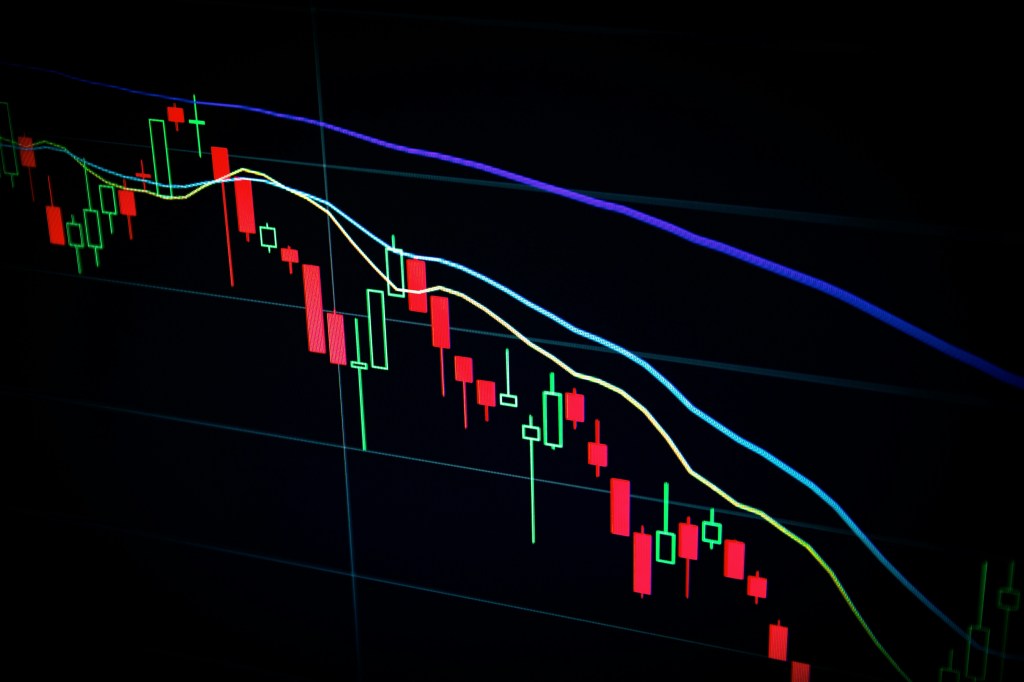
When you’re building your investment portfolio, most of the focus is on long-term average returns. We hear statements like “the stock market returns 7%–10% on average” and build our plans around those assumptions. But what many people overlook is when those returns happen—and how much the timing can affect your financial future, especially once you start withdrawing money.
That timing risk has a name: sequence of returns risk, or SORR.
The basics: what SORR actually is
Sequence of returns risk refers to the danger that your portfolio experiences poor returns early in retirement (or early in your withdrawal phase), when you are taking money out of your investments. Even if long-term average returns ultimately look “normal,” bad market years at the beginning can reduce your portfolio so much that it struggles to recover.
You can think of SORR as the difference between math on paper and real-life investing. On paper, a portfolio that grows by an average of 7% for 30 years looks great. In real life, returns don’t arrive neatly. Some years are up 20%, some are down 20%, and the order matters a lot.
When you’re still accumulating, volatility is annoying—but it actually benefits you because you’re buying shares when they’re cheap. But once you start withdrawing, that volatility can work against you.
Why timing matters so much
Here’s the simplified version:
- When the market is down and you withdraw money, you’re forced to sell more shares to generate the same amount of cash.
- Those shares are gone forever.
- If the market later recovers, your portfolio has fewer shares participating in the rebound.
- Once that downward spiral begins, it becomes very hard to stop.
Two retirees could start with the exact same portfolio balance and the same average returns over 30 years, but if one experiences a bear market in the first five years and the other experiences it in the last five years, their outcomes can be wildly different.
SORR is the reason why the classic 4% rule was built using the worst historical sequences—not the average ones.
Why SORR matters for anyone planning early retirement
Even if you’re not planning to retire early, SORR is a risk worth understanding. But for anyone who expects to draw from their portfolio for 40-50 years (instead of the traditional 30), the risk increases simply because the withdrawal timeline is longer.
You don’t need to be terrified of it—but you do need to plan for it.
How to protect yourself from sequence of returns risk
The good news? There are several strategies that can help reduce the impact of SORR. None of them eliminate it completely, but they give you more buffer and flexibility.
1. Keep a cash cushion or “bond tent”
Having 1–3 years of expenses in cash or short-term bonds gives you something to draw from when the market is down. Instead of selling stocks at a loss, you buy time for your portfolio to recover.
A “bond tent” is a slightly more structured version of this—holding more bonds right before and right after retirement, then gradually reducing the bond allocation as sequence risk lessens.
2. Be flexible with withdrawals
One of the strongest protections against SORR is adjusting spending in bad market years.
Examples include:
- Pausing large discretionary expenses
- Cutting spending by a small percentage
- Using dynamic withdrawal strategies (like the CAPE-based approach or guardrails strategies)
Even a temporary 5%-10% spending reduction during market downturns can dramatically increase your long-term portfolio survival odds.
3. Maintain a diversified portfolio
Equities are powerful long-term growth tools, but diversification—across stocks, bonds, and even global markets—helps smooth out volatility. The more volatile a portfolio is, the more exposed it is to the consequences of SORR.
4. Avoid retiring directly into a recession if you can help it
You can’t perfectly time the market, but if the economy is entering a steep downturn, delaying retirement by even 6–12 months (or working part-time) can reduce risk.
5. Keep contributing if you’re still in the accumulation phase
If you’re not retired yet, don’t fear downturns—they benefit you. Down markets give you discounted shares, which can offset some of the fear of what might happen later.
The bottom line
Sequence of returns risk is one of the most important—and most misunderstood—factors in long-term planning. It’s not about average returns; it’s about the order in which returns arrive, especially in the early withdrawal years.
By building flexibility into your plan—through cash buffers, diversified portfolios, and dynamic withdrawal strategies—you can reduce your exposure to SORR and give your investments the best chance to support you for decades.
 The Money Muse
Leave a comment